
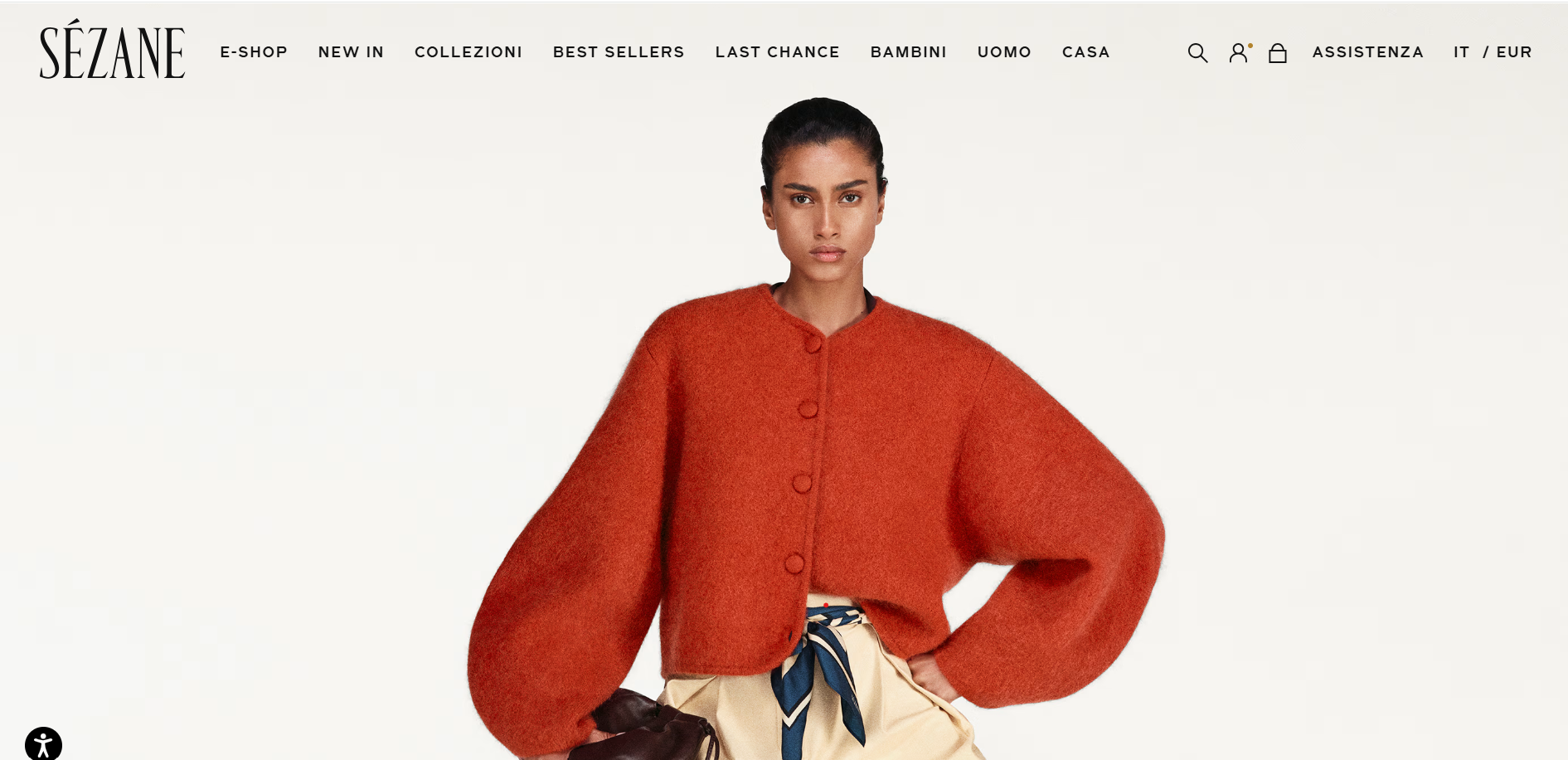
In August, the cult-favorite French label Sézane unveiled a major rebrand by way of a fresh website and a new fall collection. For years, the brand built a fiercely loyal following around a distinct aesthetic: light, feminine, whimsical, and effortlessly Parisian. This recent pivot marks a clear departure from that romantic heritage, steering into sleek, understated, and sophisticated territory that aligns more closely with a modern "sexy Parisienne" archetype.
The Backlash: Fan Disillusionment and Influencer Reactions
The shift did not go unnoticed—and the internet was quick to react. Across social media, longtime fans voiced criticism over the new direction.
A common theme quickly emerged among online commentary: a perceived loss of Sézane’s signature originality. Critics argue that the refined aesthetic feels sanitized or generic, making high-end pieces look similar to items found at fast-fashion retailers like Zara for a fraction of the price (an idea I do not fully agree with).
Influencer commentary echoed these sentiments:
Chelsea Fagan—an American influencer who lives part-time in France—was rather explicit in her critique in a recent TikTok video, where she went on to offer alternative French-inspired brands she actually recommends.
Mademoiselle tried to remain fair by doing an in-depth review of the new collection on her YouTube channel. However, her comment section became a haven for fans to express their discontent.
Redefining "Vintage": Founder Intentions vs. Fan Expectations
According to Vogue, founder Morgane Sézalory addressed the shift by noting her desire to maintain the brand’s vintage DNA while updating it to reflect what her own style is like now.
The concept of "vintage" in this context is particularly interesting:
The "Old" Sézane: The original vintage aesthetic—the one beloved by OG fans—was built on a romanticized view of Paris. Think soft lace, floral prints, and delicate knits.
The "New" Sézane: The updated vintage aesthetic relies on structured, sharp, and sophisticated silhouettes.
Both eras are clearly designed with vintage inspiration in mind, but they do so in completely opposite ways. What long-standing fans view as a betrayal of identity is, in reality, simply a reinterpretation of the vintage code—moving from whimsical nostalgia to tailored vintage authority.
A Fresh Perspective: Why the Rebrand Works (For Now)
Despite the online chatter, I personally find the re-brand and new line quite compelling. The fall collection features several garments that I would gladly incorporate into my own wardrobe.
One standout addition to the updated site is the enhanced styling section. By showing customers how to construct complete, elevated looks rather than showing standalone pieces, Sézane provides genuine outfit inspiration. From a business standpoint, it is a clever touch—it naturally opens the door for upselling, encouraging shoppers to purchase coordinating items to recreate the full look.
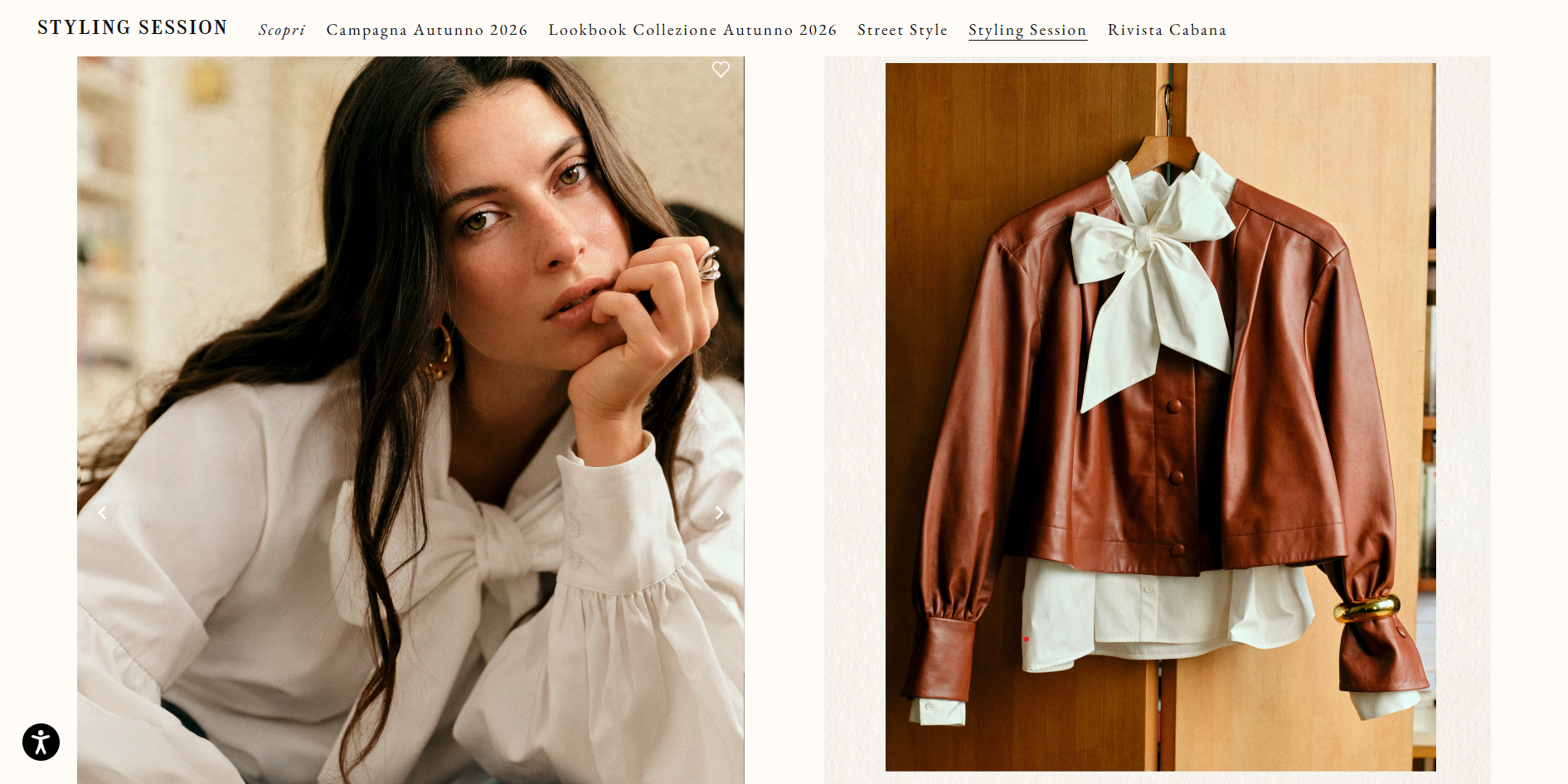
Courtesy of Sézane
The Business of Evolving: Balancing Identity and Market Appeal
This shakeup raises a crucial question in brand strategy: How do you appeal to new audiences without alienating your core customer base?
While Sézane risks turning off legacy buyers who fell in love with soft Parisian whimsy, they are actively positioning themselves to capture a broader, more mature market segment. Cementing itself as direct aesthetic competition with brands like Massimo Dutti, COS, Sandro, and Claudie Pierlot suggests there is a sizable and lucrative market of shoppers who prioritize sleek silhouettes, clean lines, and premium materials over romantic vintage tropes.
Rebranding is always a calculated risk. By leaning into a more sophisticated aesthetic, Sézane may well succeed in trading niche nostalgia for wider, long-term commercial appeal. But as with all things in retail, time—and future news on sales reports - will tell.