
What S5 of Emily In Paris Taught Us About Fashion and Marketing
It took me some time, but I recently wrapped Season 5 of Emily in Paris, and I have some thoughts. While it’s often dismissed as mindless entertainment, I walked away from this season with gleaning insights on the current state of the fashion industry and the art of product placement.
The "Muratori" Philosophy: Brands Cannot Scale Without Losing Its Soul
In the season premiere of Emily in Paris, Emily meets Antonia, the owner of the fictional Italian luxury label Muratori (a clear nod to the quiet luxury of Brunello Cucinelli). When Emily attempts to pitch her marketing services, Antonia remains unmoved. Her reason? She refuses to sacrifice the brand’s integrity for the sake of scaling.
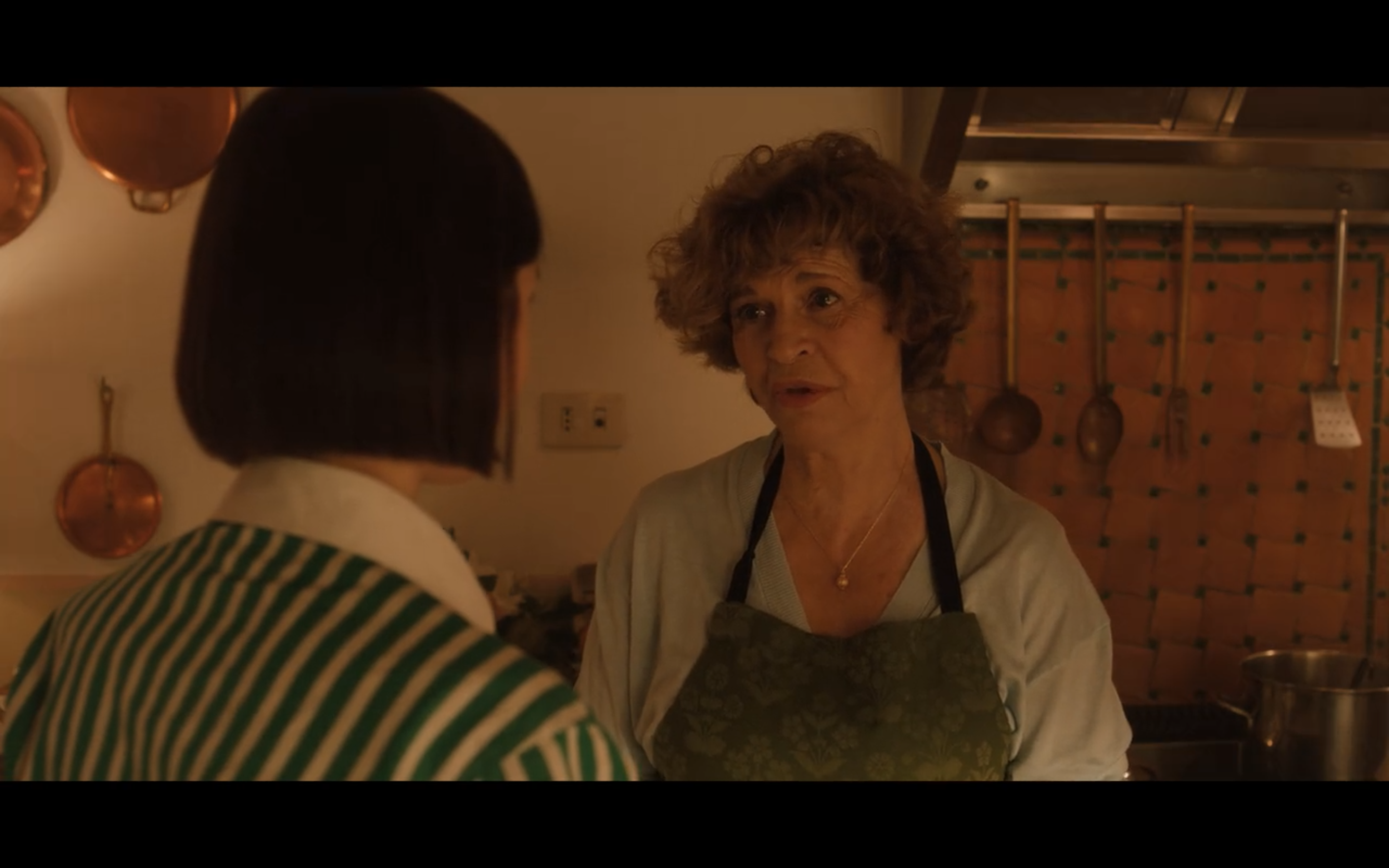
Courtesy of Emily in Paris | Netflix
Antonia’s continues to deliver a critique of the current fashion landscape:
“Luxury has become homogenized—Gucci and Prada have become chain stores in every wealthy town. If people want Muratori, they must come to Rome. That is what keeps us special.”
This moment perfectly captures the central tension between the battle of niche exclusivity and commercial expansion.
Case Study: The "Alo-fication" of Fitness
A brand that perfectly encapsulates Antonia’s critique is Alo Yoga. When founded in 2007, Alo was a specialized label dedicated to selling fashionable gear to dedicated yogis. Their meteoric rise was fueled by a social media strategy that leveraged influencers and the "It Girl" trifecta of Bella Hadid, Kendall Jenner, and Hailey Bieber who organically wore Alo clothing when working out or running errands.
Seeing these icons in matching sets created a powerful psychological pull: wearing Alo meant you were part of an elite, mindful, high-fashion fitness world. It effectively built a blueprint that brands like Adanola and SET ACTIVE have since scrambled to replicate.
Fast forward to December 2025, where Alo continued its global expansion efforts by opening its first flagship location in Rome, Italy. With this aggressive expansion, Alo fell deeper into the "mass production" trap. While their mission statement boasts of creating "the most technologically advanced yoga clothing," long-time customers have begun to voice a common grievance: worsening quality paired with skyrocketing prices. For the original community, the quality is being sacrificed for scale.
When consumers pay $120+ for leggings, they cannot help but categorize Alo as a luxury brand even if the company describes itself as such. Therefore, when the quality starts to feel like fast fashion and the price is prestige, the brand’s essence erodes.
Product Integration 101: Using The Program as A Billboard
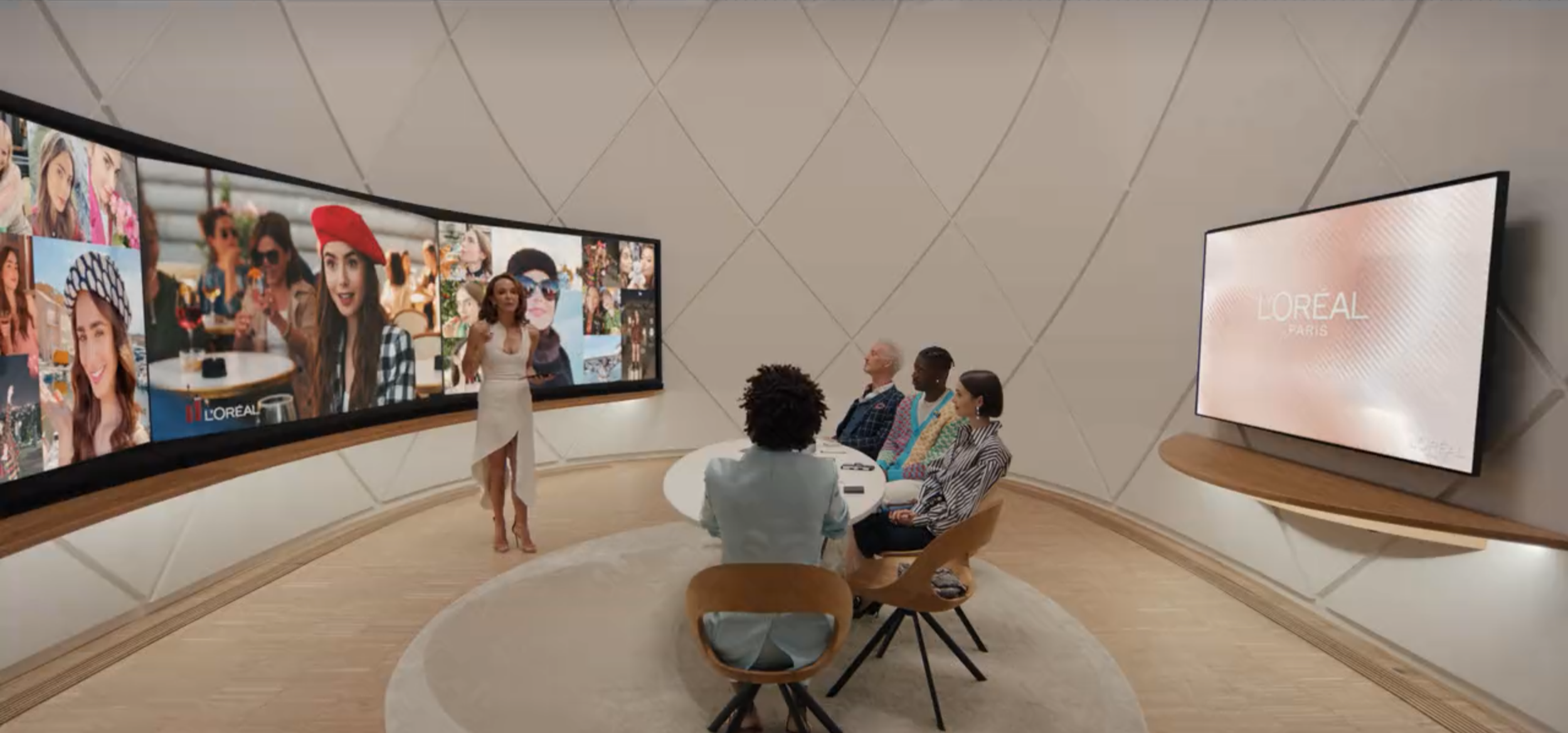
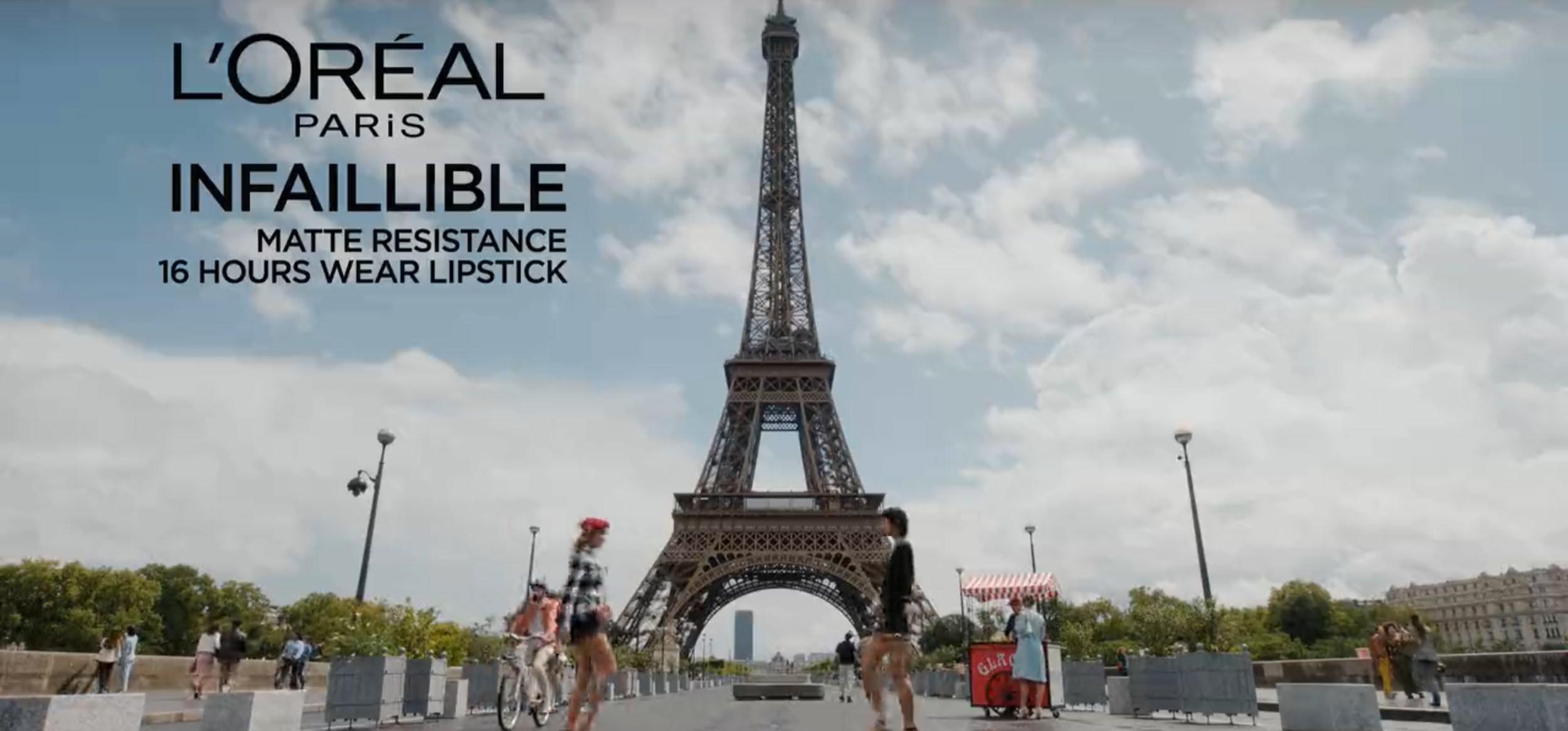
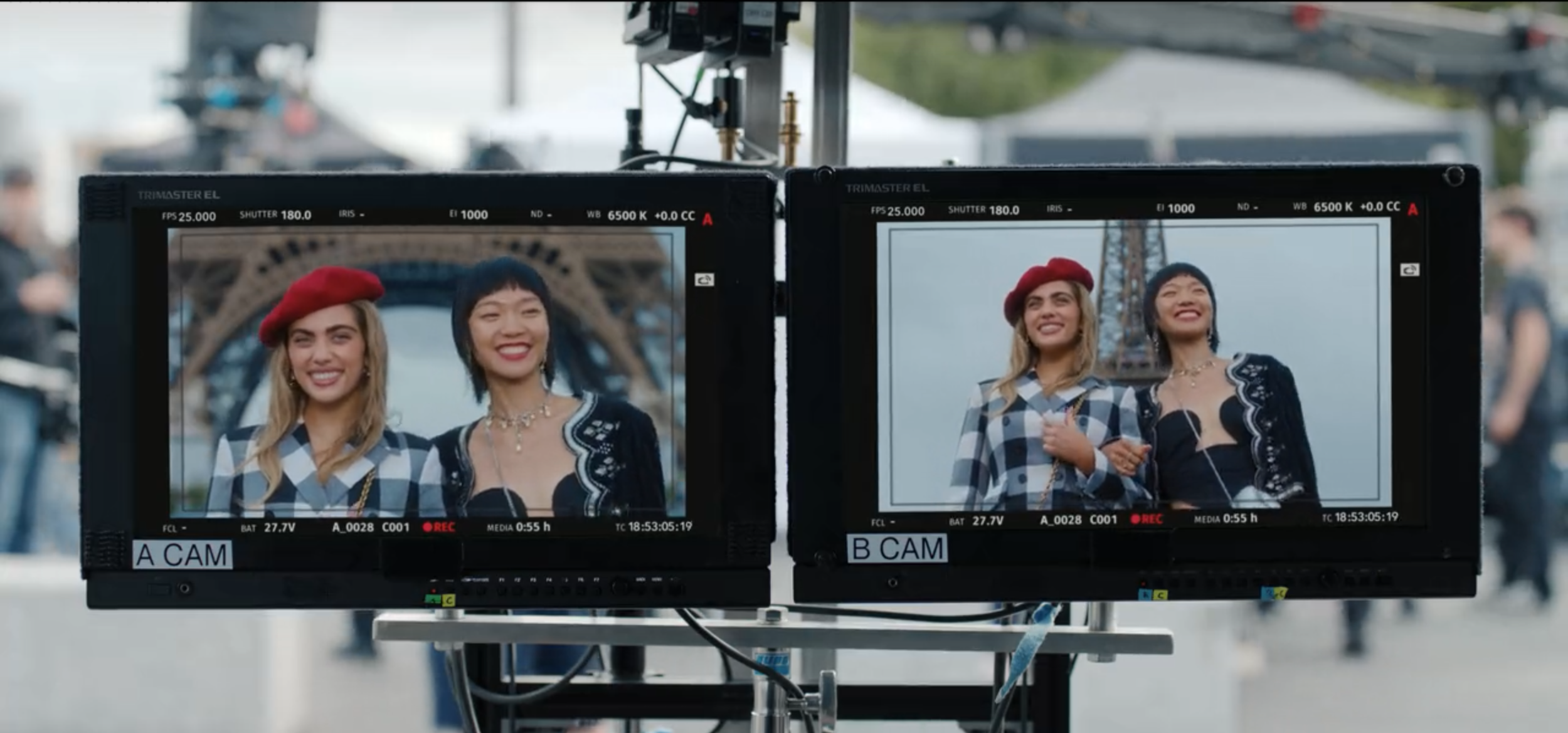
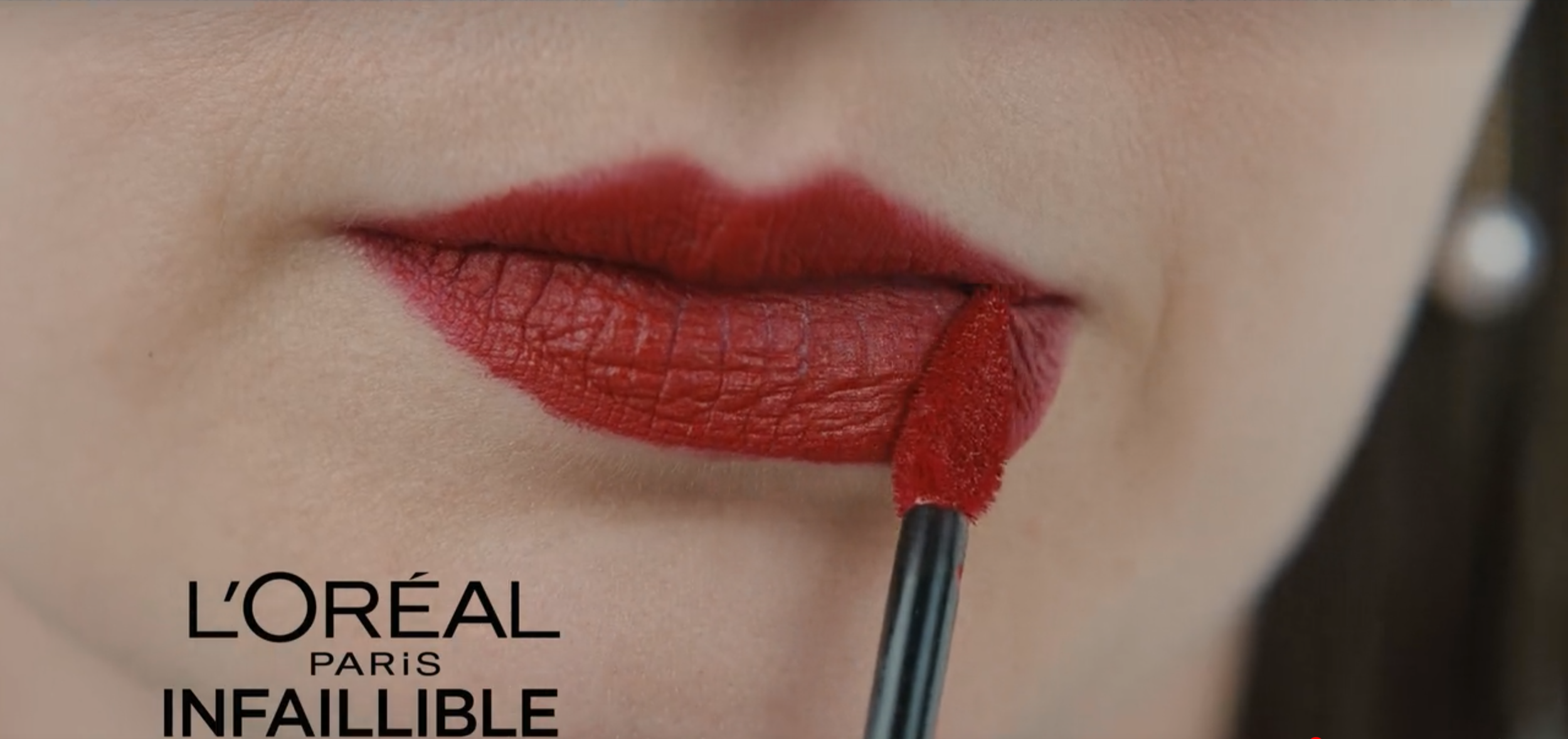
Courtesy of Emily in Paris | Netflix | L’Oreal Paris
Outside of the commentary on the fashion industry shared throughout the season, what stuck out to me was the product integration/ placement.
What Was Done: From Emily pitching marketing ideas for L’Oréal and Intimissimi to discussing limited-edition Parisian bags with Prada marketing leads, the brands became part of storylines.
Why It Worked: The show is inherently kitschy and "extra." Because the writing is already over-the-top, the blatant product placement doesn’t feel out of place. It’s "in your face," but it matches the show’s aesthetic. These moments become memorable precisely because they are so outlandish.
What Could Have Been Done Better: The only critique? The sheer volume. By the latest season, the influx of brand integrations started to feel like a revolving door. When every episode shouts out a new brand, the promotion starts to feel cheapened. The show risks turning from a narrative into a 30-minute billboard, leading to "audience fatigue."
The Takeaway
While Emily in Paris remains, by and large, a show designed for mindless consumption, Season 5 provided surprisingly sharp lessons for fashion enthusiasts and marketers alike.
For the Fashion Enthusiasts: It served as a warning on how mass commercialization can cheapen the core values of a brand, eroding the very "specialness" that attracted consumers in the first place.
For the Marketers: It was a study in leaning into popular programming with seamless integrations. It proved that when a brand is woven into the storyline, it transcends the "logo slap" and becomes a memorable part of the cultural conversation.
With production for Season 6 slated to start this Spring, let's hope that the show continues on this trajectory—giving us more industry insights to mull over amidst the Parisian (and Roman) drama.